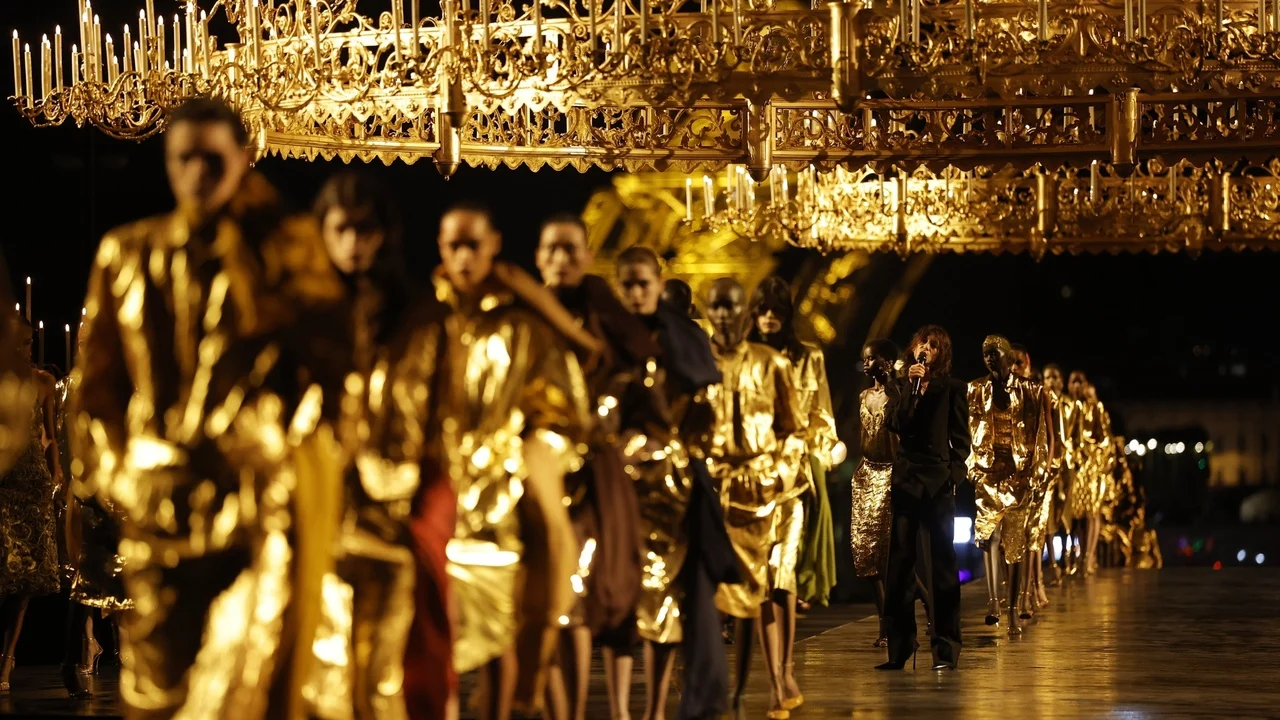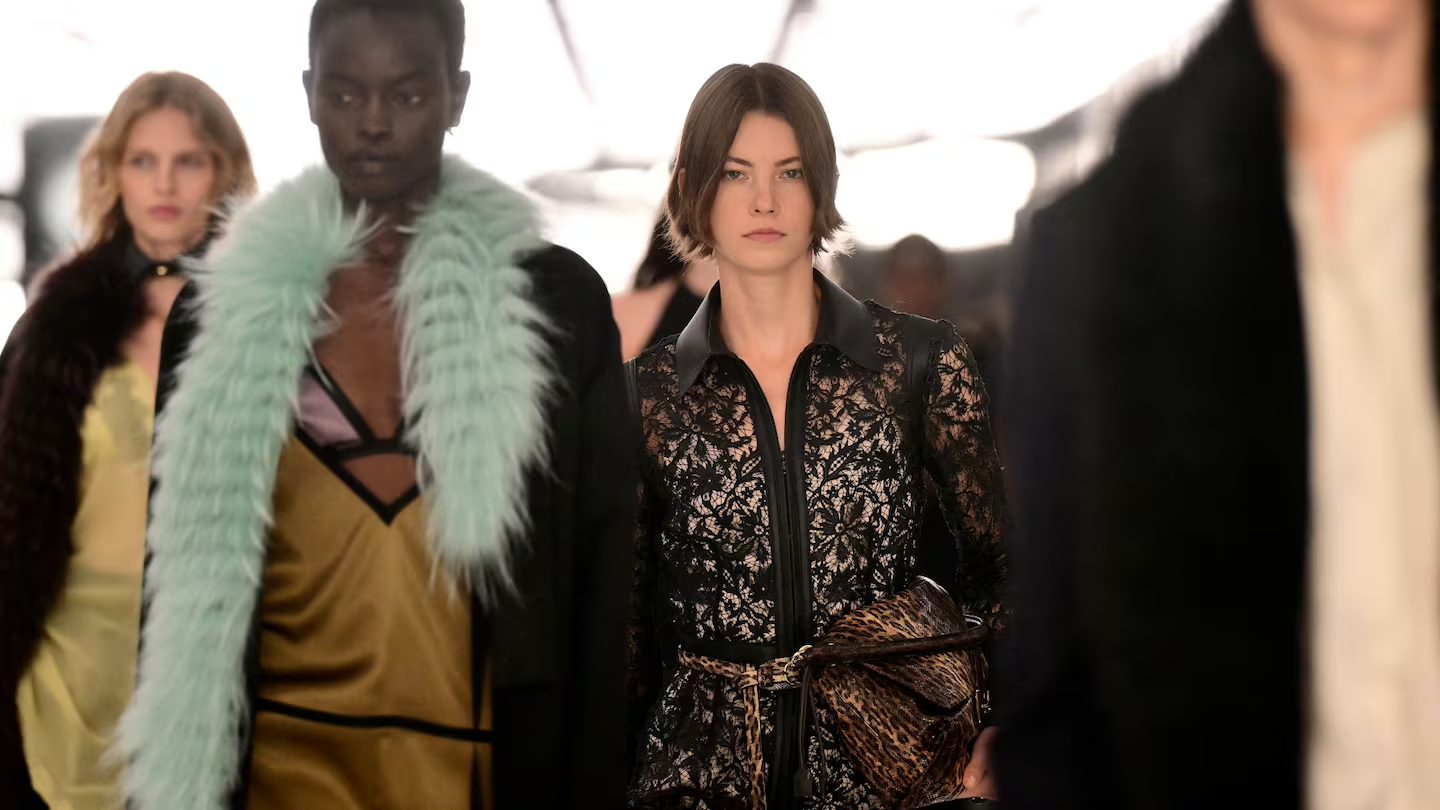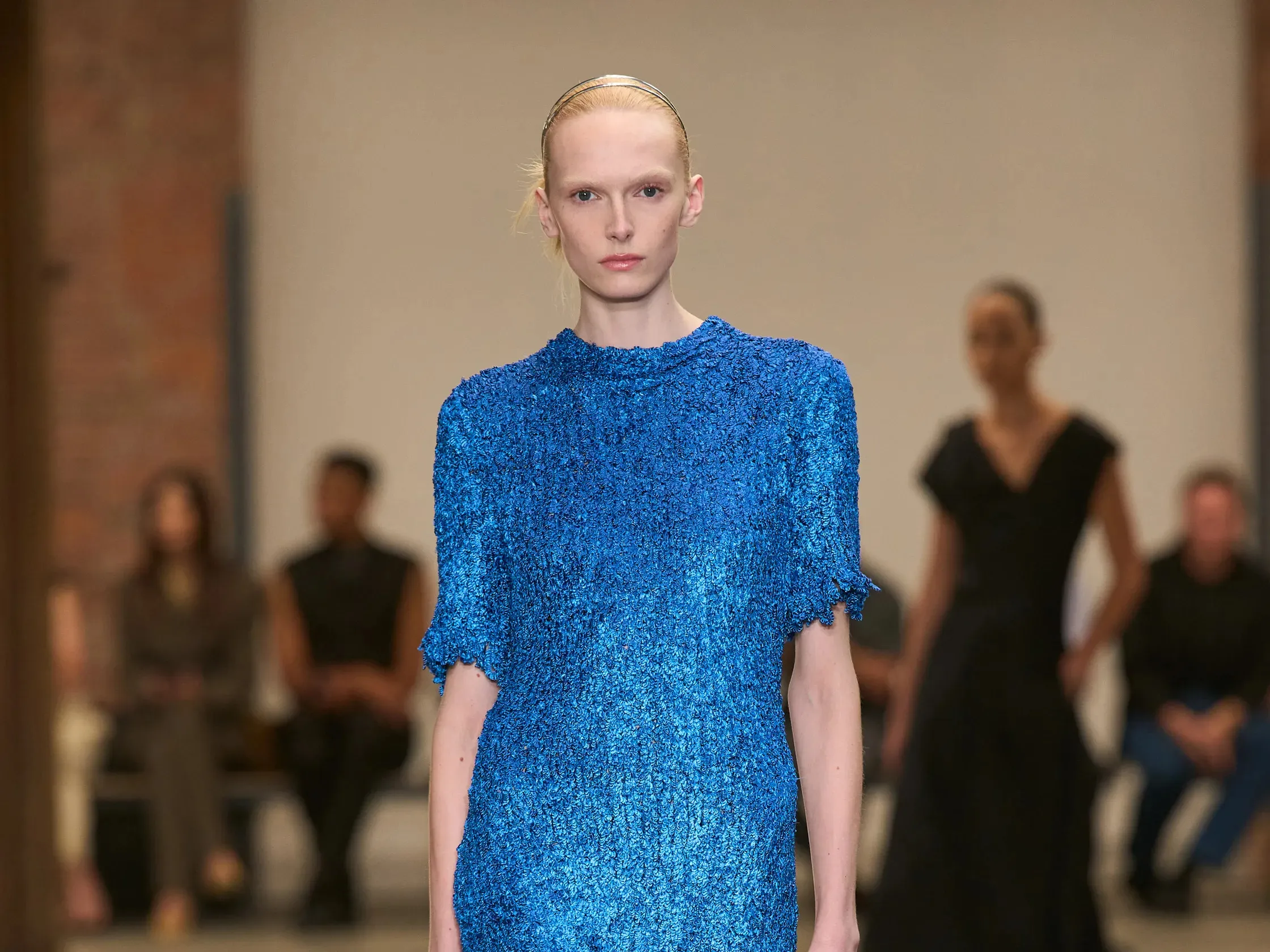
Copenhagen Fashion Week reaches its 20th anniversary with a Spring 2027 edition that highlights the Danish capital’s increasingly influential place within the international fashion industry. Running from August 3 to August 7, the event brings more than 34 runway shows and presentations to the city, creating a platform where established Scandinavian houses meet emerging designers and international talent.
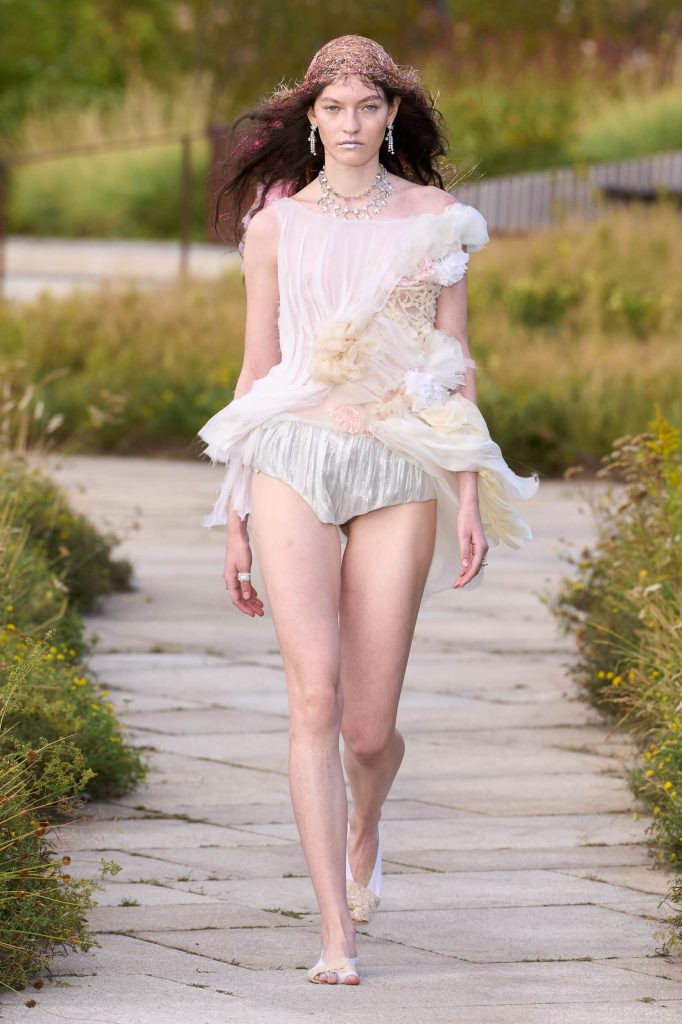
The Spring 2027 schedule features some of Copenhagen’s most recognizable names, including Henrik Vibskov, Baum und Pferdgarten, and By Malene Birger. Adding a distinctly international perspective, New York-based Collina Strada has been chosen as this season’s International Guest. Designer Hillary Taymour will present the label’s SS27 collection on August 6, marking its first appearance at Copenhagen Fashion Week.
The schedule also reflects the strength of Copenhagen’s emerging fashion community. Newer labels such as Stem, Taus, and Renè are joining the lineup, while Anne Sofie Madsen and former CPHFW New Talent participant Nicklas Skovgaard return for another season.
With established houses and younger designers sharing the same platform, Spring 2027 offers a broad picture of the creative ideas defining Copenhagen fashion right now. These five collections provide some of the clearest examples.
Collina Strada
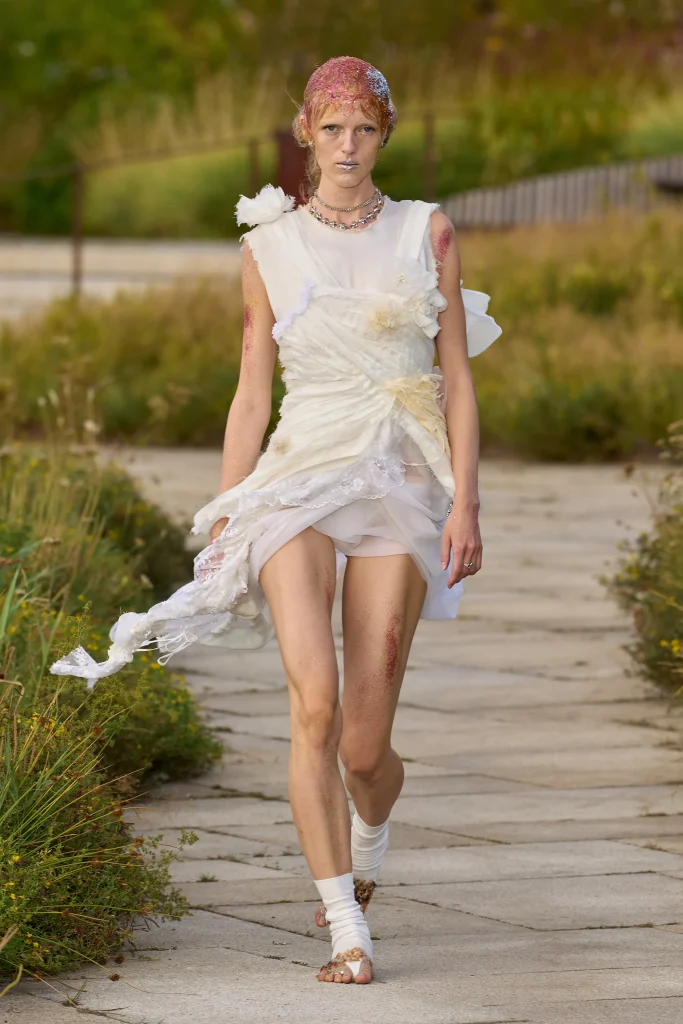
Collina Strada made its Copenhagen Fashion Week debut as the season’s International Guest, bringing its unmistakable New York sensibility to the Danish capital.
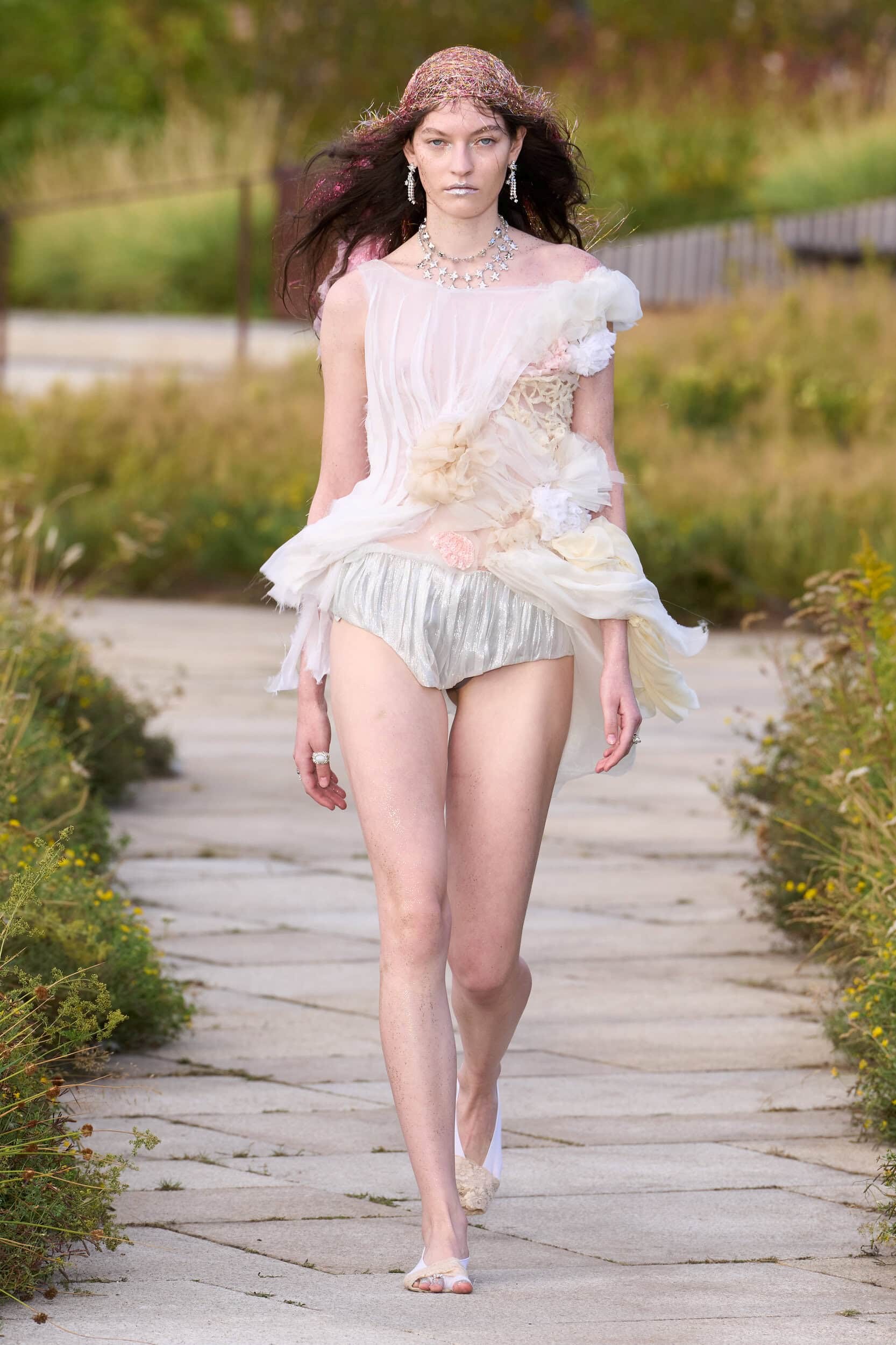
Presented in an atmospheric outdoor setting with live violinists, the SS27 collection combined romance, theatricality, and experimentation. Dramatic ruffles, metallic surfaces, asymmetric shapes, and gathered fabrics created silhouettes defined by movement and exaggerated volume.
Bridal references added a softer dimension to the collection, while Elizabethan-inspired beauty looks introduced a historical element. These details created an intriguing contrast with the modern construction and unconventional styling of the garments.
Rather than following one consistent aesthetic, Collina Strada embraced contradiction. Romantic details appeared alongside exaggerated forms, while polished finishes were mixed with unexpected and playful elements.
The result felt theatrical and deliberately unpredictable, establishing a strong first impression for the label in Copenhagen.
By Malene Birger
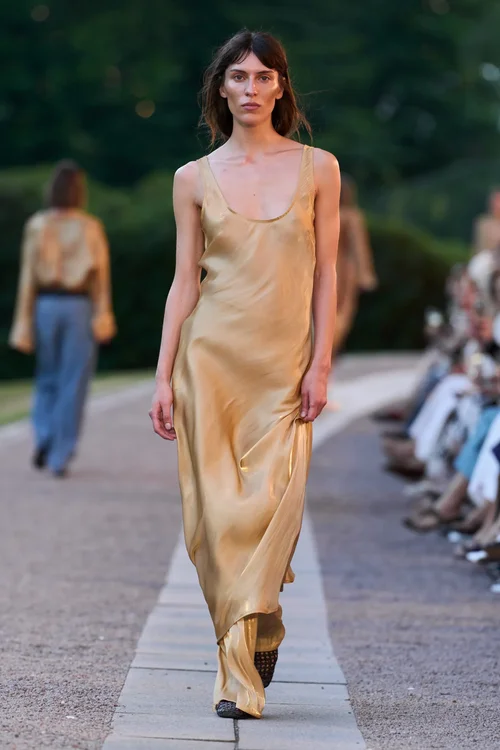
After six years away from the runway, By Malene Birger returned for Spring 2027 with a presentation rooted in personal history. Creative director Emilie Martinsen-Kønigsfeld chose to stage the collection in the gardens of her parents’ home outside Copenhagen, creating an intimate environment that reinforced the collection’s central theme.
Homecoming became more than a concept for the presentation. It connected the brand’s return to the runway with a broader reflection on its own heritage and identity.
The collection developed through a sequence of colors inspired by the passing hours of the day. Bright whites and understated neutrals appeared first, followed by warm golden tones and eventually deep black looks for the evening.
Sun motifs and small decorative references echoed this progression, while the soundtrack reinforced the atmosphere of changing daylight.
The clothing itself focused on relaxed refinement. Fluid dresses, loose tailoring, softly draped pieces, and lightweight outerwear created a wardrobe that felt elegant without becoming rigid.
The brand’s history appeared through carefully placed details rather than obvious recreations. Tassel accents, scarf-inspired backless tops, and reflective embroidery subtly recalled earlier elements of the house.
The collection also revisited the understated glamour of the 1990s. Sheer evening dresses brought to mind the era’s supermodel aesthetic, but their relaxed styling kept the references firmly in the present.
By Malene Birger ultimately achieved a thoughtful balance between nostalgia and reinvention, showing how a fashion house can revisit its heritage while continuing to evolve.
Henrik Vibskov
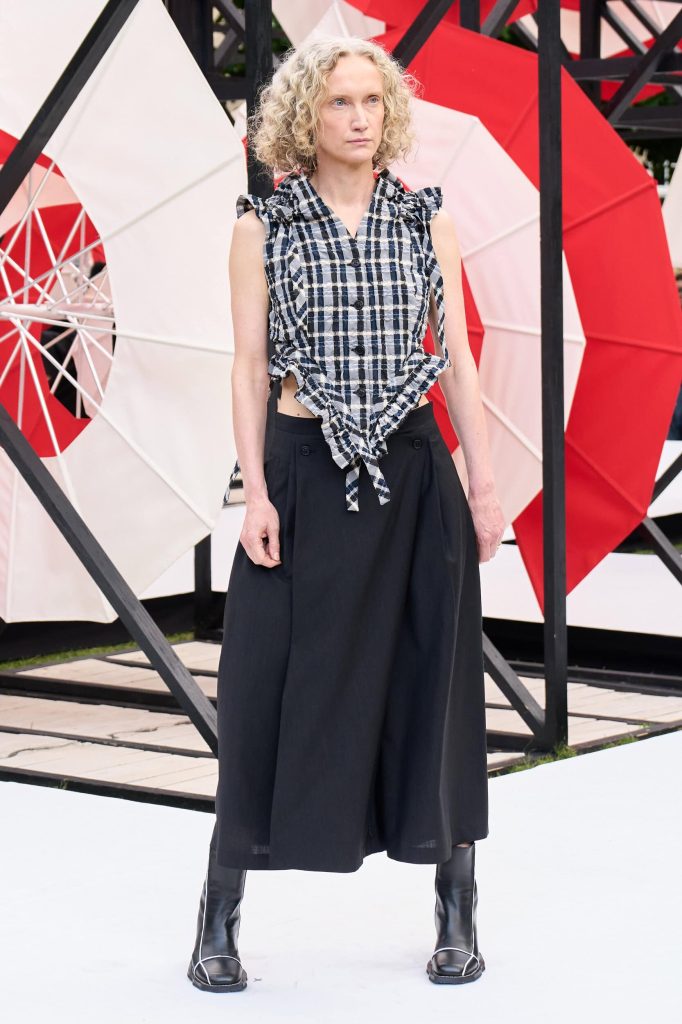
Henrik Vibskov continued his exploration of experimental fashion for Spring 2027, using exaggerated proportions, unconventional construction, sculptural silhouettes, and contrasting textures throughout the collection.
Scale played an especially important role. Oversized garments were combined with more fitted pieces, creating visual tension between volume and structure.
Graphic details, inventive construction techniques, and playful accessories strengthened the collection’s artistic character, making the runway feel more like a creative environment than a traditional presentation.
Yet the clothes themselves remained relatively adaptable. Many individual pieces could be separated from the more elaborate runway styling and incorporated into an everyday wardrobe.
That combination of conceptual design and functionality has long been central to Vibskov’s work. His collections challenge conventional ideas about shape and proportion while maintaining a practical connection to the wearer.
For Spring 2027, the designer once again translated Copenhagen’s experimental creative culture into a collection that felt highly distinctive and personal.
Baum und Pferdgarten
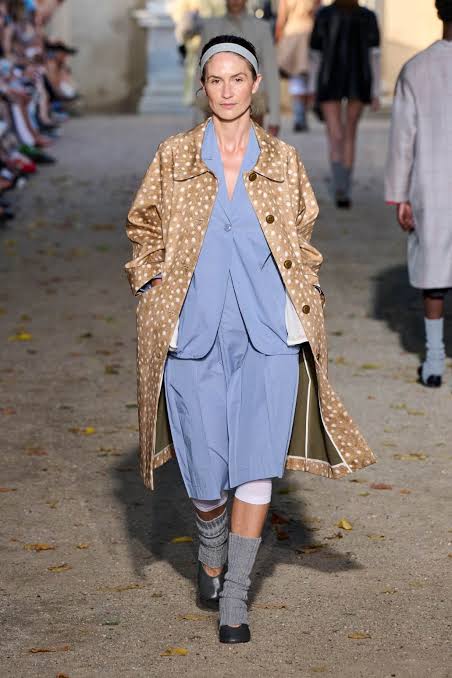
Baum und Pferdgarten approached Spring 2027 with a playful interpretation of modern femininity, combining tailored silhouettes with relaxed pieces, expressive patterns, and unexpected styling.
The collection moved between structured trousers and jackets, romantic dresses, flowing fabrics, and casual separates. Bold prints and contrasting textures added energy, while unconventional combinations kept the looks feeling spontaneous.
Instead of presenting femininity through a single visual formula, the label explored several different moods. Tailored pieces created a sense of strength and structure, while softer silhouettes introduced movement and ease.
The collection also placed a strong emphasis on versatility. Many of the pieces could be styled in different ways, allowing them to work for casual settings as well as more elevated occasions.
That combination of expressive design and practicality remains one of Baum und Pferdgarten’s defining qualities. For Spring 2027, the label continued to demonstrate that fashion can be playful without becoming impractical.
Stem
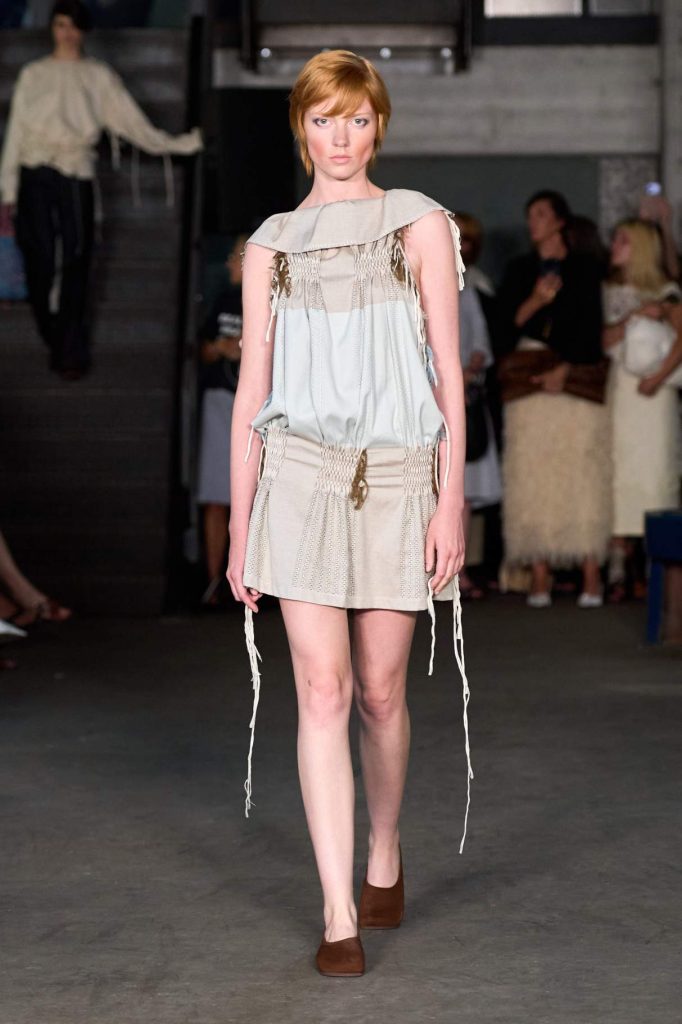
Stem represented one of the emerging voices bringing a new interpretation of Scandinavian fashion to the Spring 2027 schedule.
The collection focused on precise construction, fluid forms, restrained details, and carefully selected materials. Rather than relying on embellishment, Stem created visual interest through proportion, fabric, and silhouette.
At first glance, the designs appeared understated, but closer inspection revealed unusual cuts, subtle contrasts, and carefully considered styling.
The collection also speaks to the evolution of Nordic minimalism. For younger Scandinavian designers, minimalism is increasingly becoming a starting point for experimentation rather than a rigid aesthetic rule.
Stem’s Spring 2027 offering felt contemporary and deliberate, balancing youthful energy with a sophisticated understanding of construction.
Its restrained confidence suggests that the label could become an increasingly visible part of Copenhagen’s next generation of fashion talent.